Insight one
Brand strength in business operations
Visual identity matters, but a brand promise is only materialised from a streamlined operation on the floor.
Showcase 1 / 3
Summary
A brand refresh for a printshop expanded into service design, operations optimisation, and digitalisation across key touchpoints. These changes contributed to annual sales growth from RM100k to RM300k. Furthermore, a proposal of an online printshop design hopefully may accelerate the brand growth in the future.
Brand v Reality: A brand refresh could give the printshop a facelift, but the experience could still be inconsistent across calls, counter visits, and follow-ups.
| Brand promise | Operational reality | Gap |
|---|---|---|
| Trustworthy | Customers chasing updates through WhatsApp or phone calls, with little visibility into status, process, or accountability | Inconsistent and vague communication erodes trust |
| Quality | Inconsistent colour, finishing, and material quality | Varying quality due to lack of standardised processes |
| Expert | Different staff, different answers | Service knowledge depends on whom customers speak to |
| Efficient | File issues, unclear briefs, and back-and-forth revisions create delays | Manual coordination slows down turnaround |
| Modern | Orders are fragmented across walk-ins, WhatsApp, email, and calls | Poor digital experience does not reflect forward thinking |
Misalignment impacted brand trust and loyalty, reduced repeat business, and pushed the shop into price-based competition. Internally, knowledge silos and reliance on experienced staff led to inefficient and inconsistent performance.
In a collaborative brand workshop, we explored how to bridge the gap between the shop's brand promise and its internal capabilities. We defined the operational standards needed to ensure the day-to-day customer experience matched the new brand identity.
Digitalisation and automation turned the brand promise into consistent service: faster turnaround, fewer errors, and clearer status updates customers could trust.
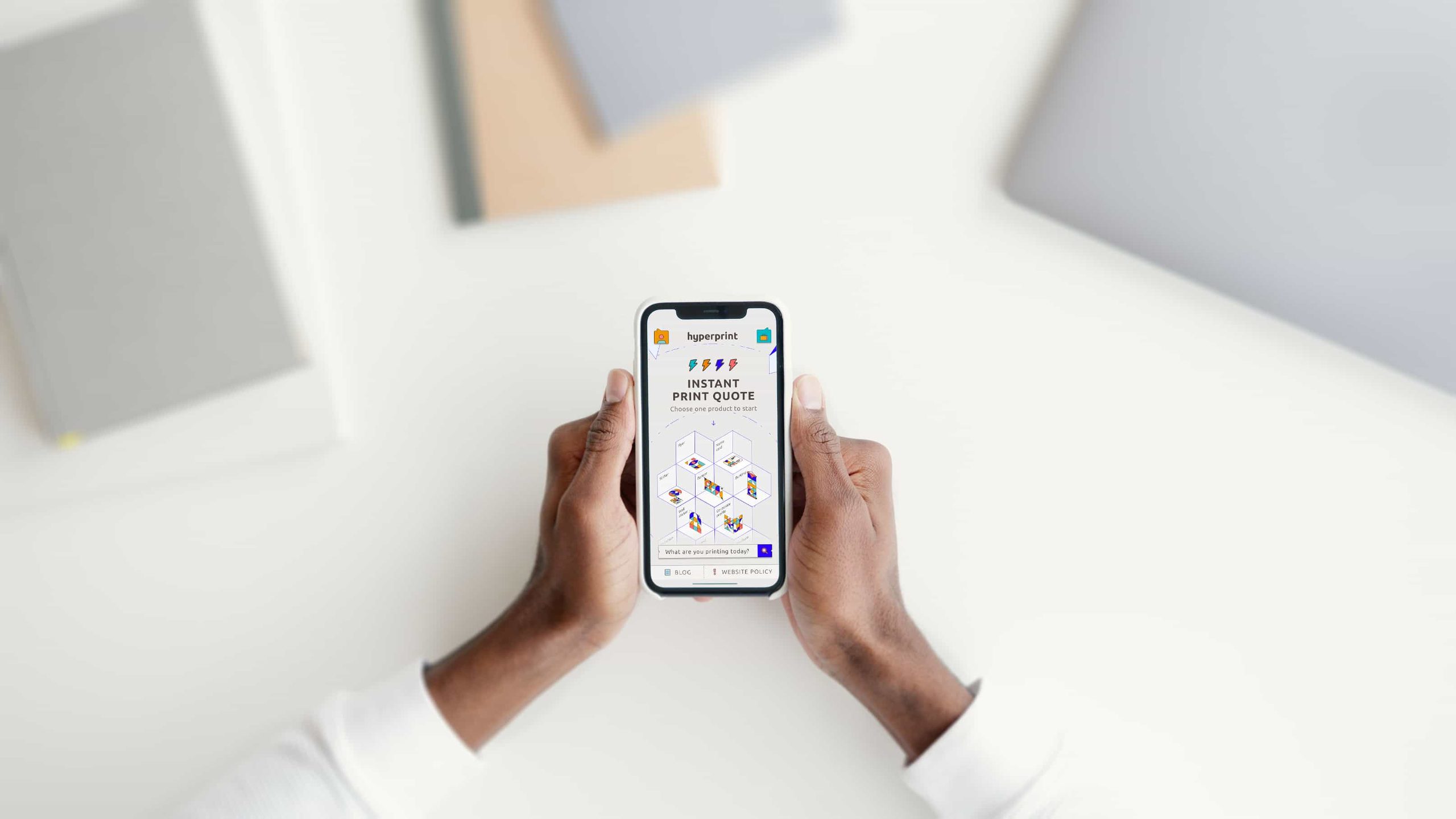
To complete the brand refresh, I proposed an online printshop to replace manual counter consultations and expand customer base.
Annual sales grew from RM100k to RM300k after we tightened service and operations, standardising day-to-day workflows, reducing knowledge silos, and making the experience more consistent across touchpoints.
The proposed self-service online printshop directly addresses the recurring pain points we surfaced earlier: slow quotation, inconsistent pricing, and manual follow-ups, reducing the need for in-person consultations. The concepts were well received, and I look forward to seeing them implemented.
Insight one
Visual identity matters, but a brand promise is only materialised from a streamlined operation on the floor.
Insight two
Journey maps and blueprints are useful exploratory artefacts, but practically, fixing day-to-day processes has a bigger impact than any diagram.
Insight three
UI design is just the surface; the actual product was built directly from observing where customers got stuck and where staff had to repeat themselves.